
English edition
The Options Book
What the $2,000 Courses Don't Teach You
Paperback · Kindle
Buy on AmazonFifteen modules, from how the stock market works to the Greeks, strategies, and risk management.

Tired of paying large sums of money for courses that sell motivation and fragments of information, leaving you with more doubts than answers. Tired of systems that “worked in the past market.”
This book is honest because it is my own research, not a magic formula. It is my search to understand not just how to trade, but why the market works the way it does.
It asks you to read with a pencil in hand and to doubt every claim until you understand it for yourself.
Each module builds on the last. Without the fundamentals, strategies are just bets with a fancy name.
Don’t invest real money until you have completed Blocks I and II and practiced paper trading for 30 days.
From what a stock is to how to build an Iron Condor, without skipping steps.
What it is, how it works, participants, orders, and indices.
Concept, essential vocabulary, buyers vs. sellers.
ITM/ATM/OTM, intrinsic and time value.
Origin, the four prices, body and wicks.
Marubozu, Doji, Hammer, Shooting Star, and variants.
Engulfing, Harami, Morning Star, and more.
Confluence, support and resistance.
Price structure and core indicators.
And a 5-layer entry and exit system.
Delta, Gamma, Theta, Vega, Rho, and implied volatility.
Long Call/Put, Covered Call, Cash-Secured Put, and Spreads.
Iron Condor, Butterfly, Straddle, Strangle, Ratio Spreads, and LEAPS.
Stops, adjustments, rolling, and metrics.
Mindset and trading journal.
U.S. taxes, non-residents, and important documents.
Every concept has its chart. Swipe to see a few.
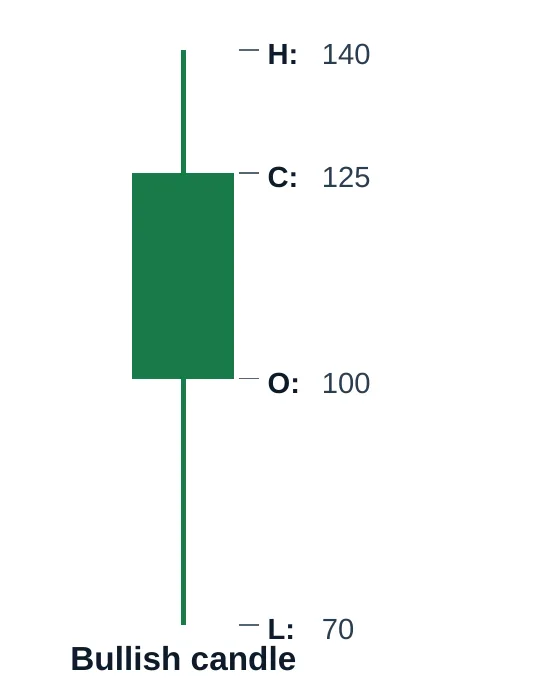
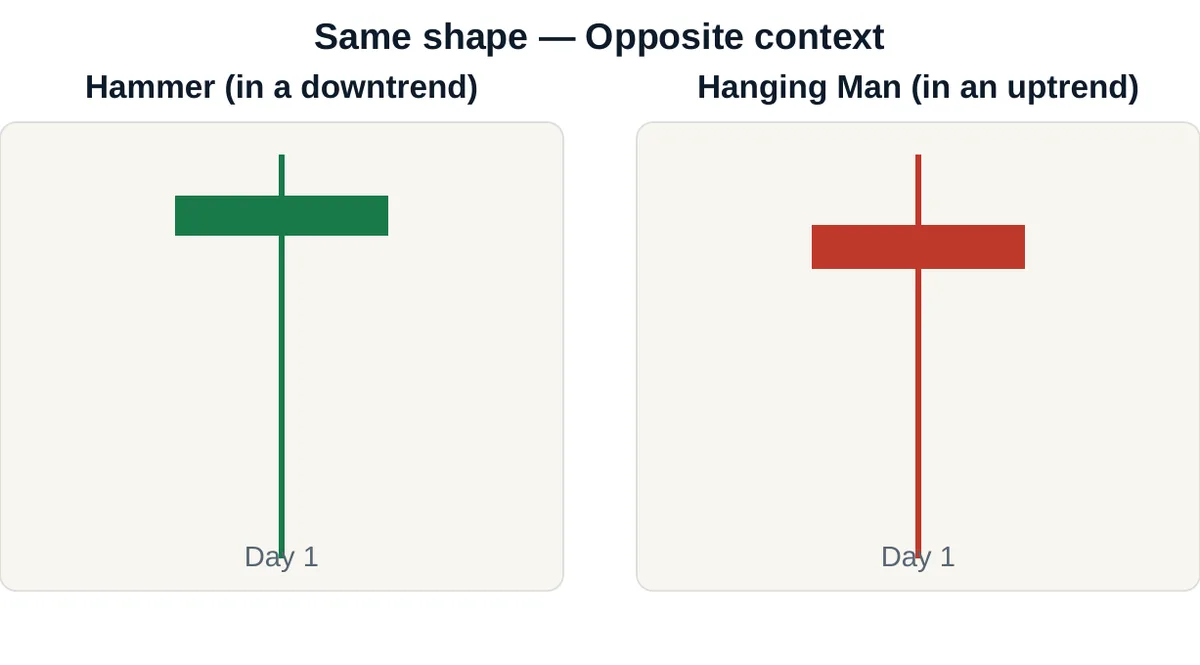
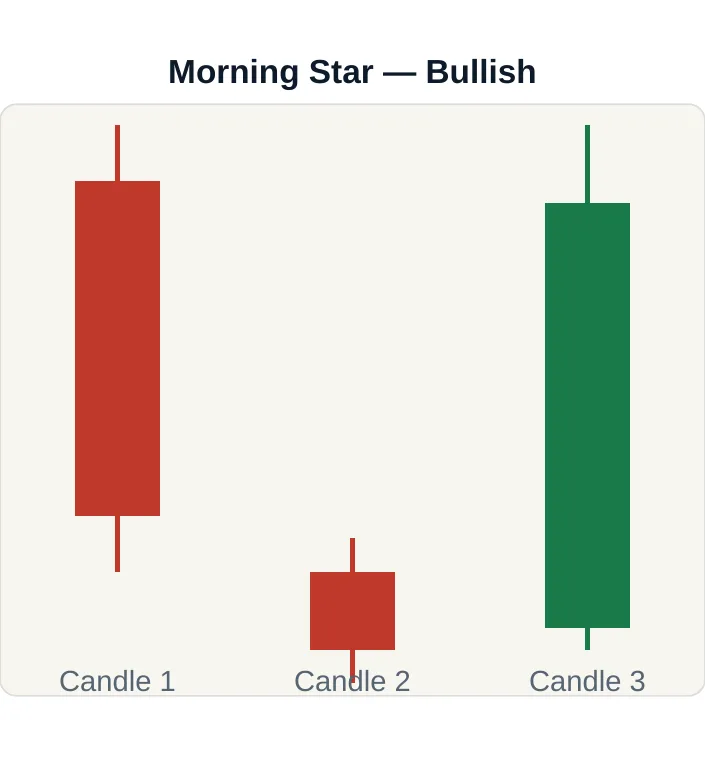
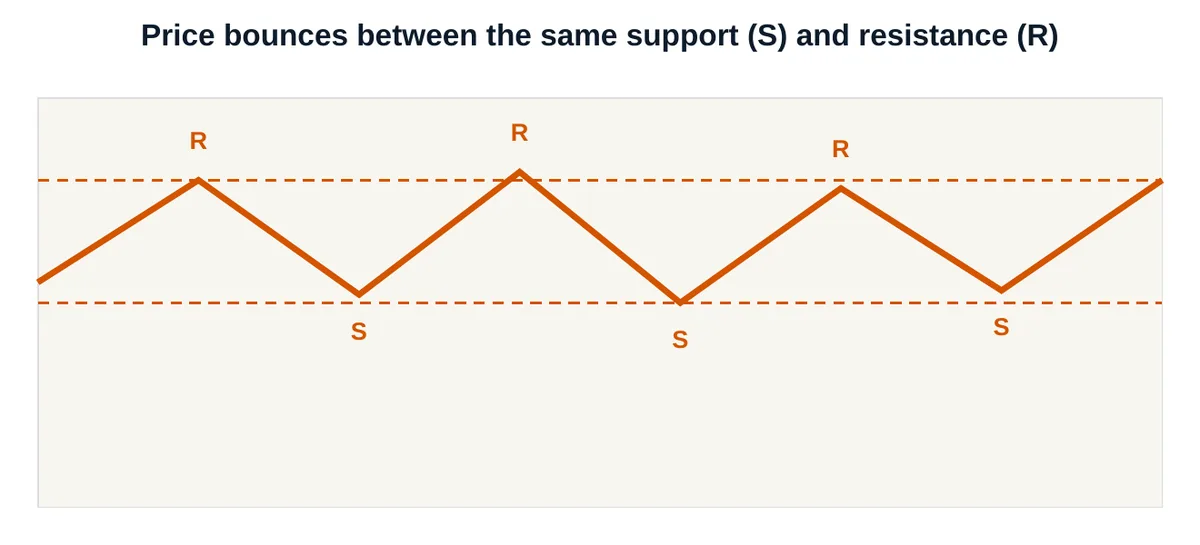
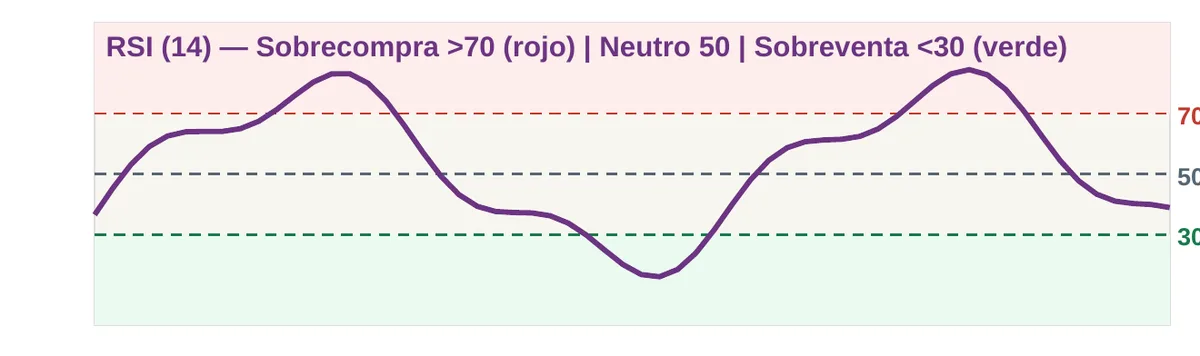
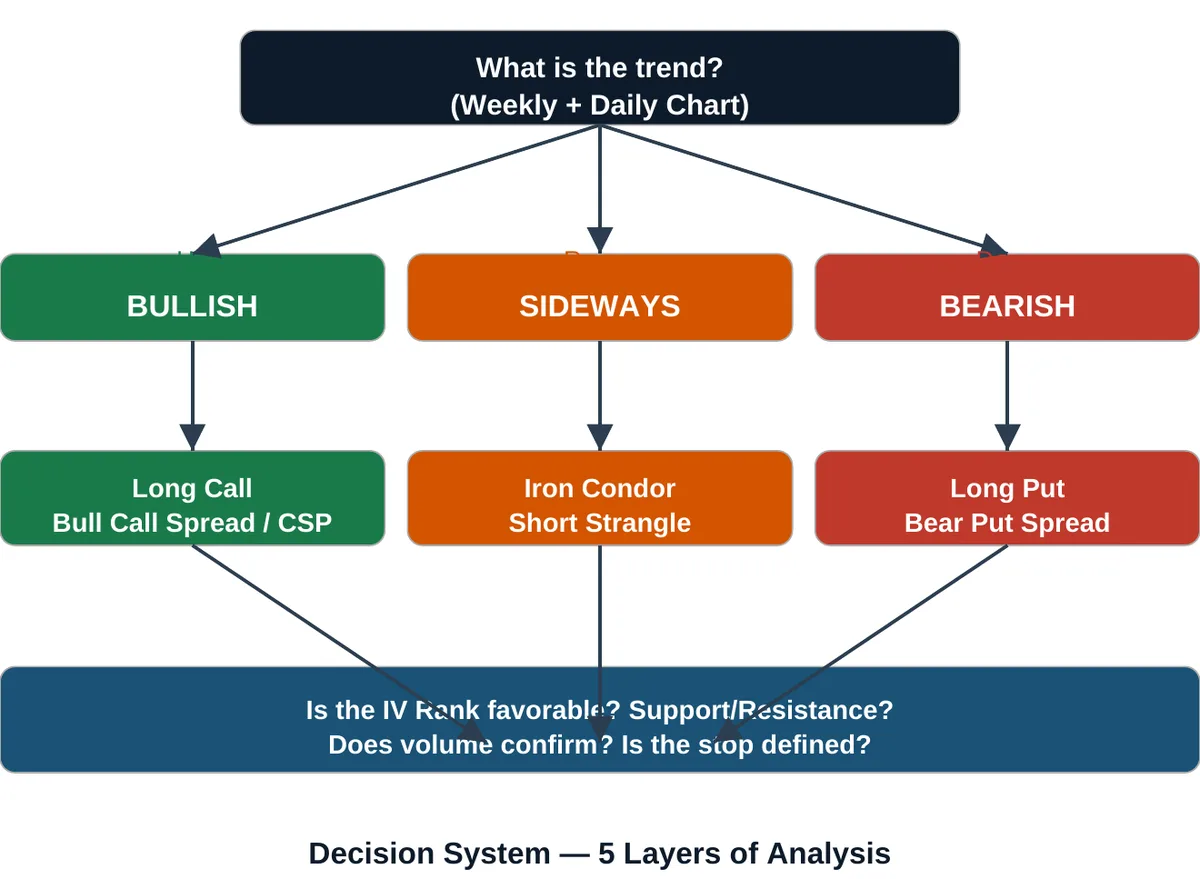
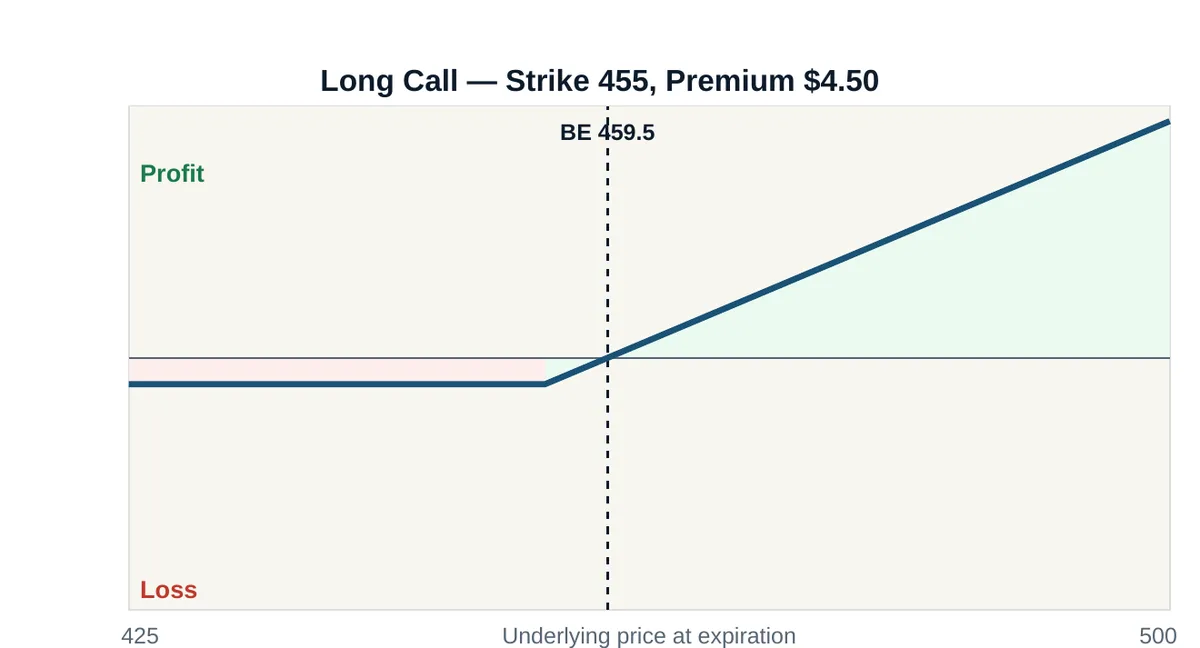
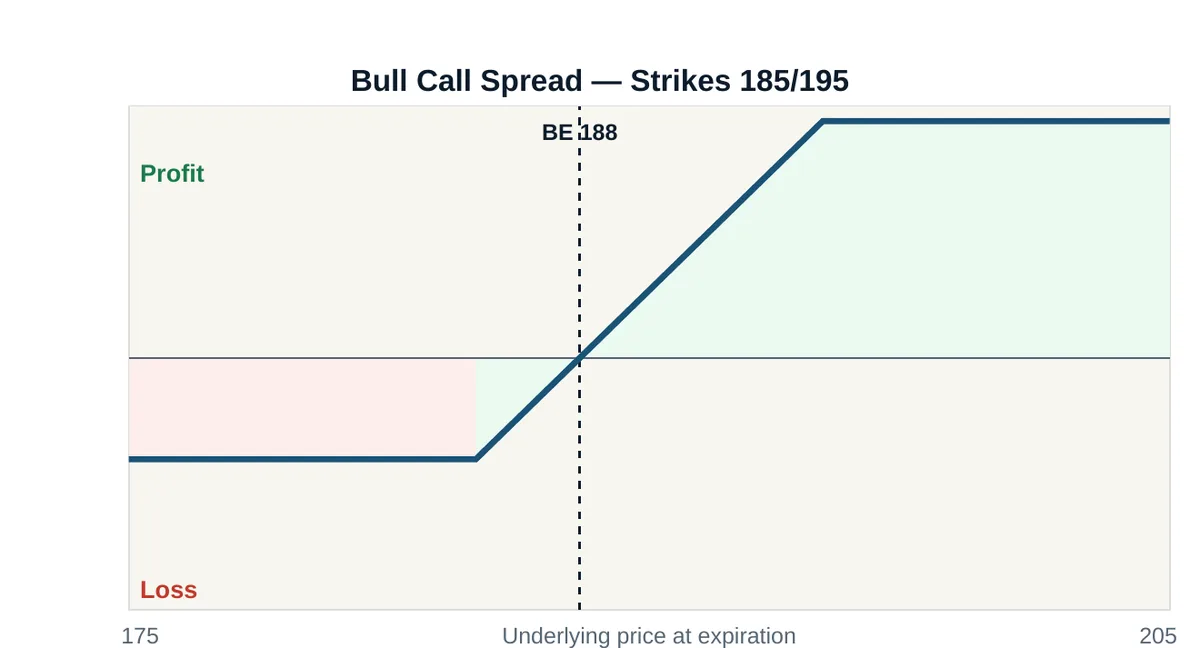
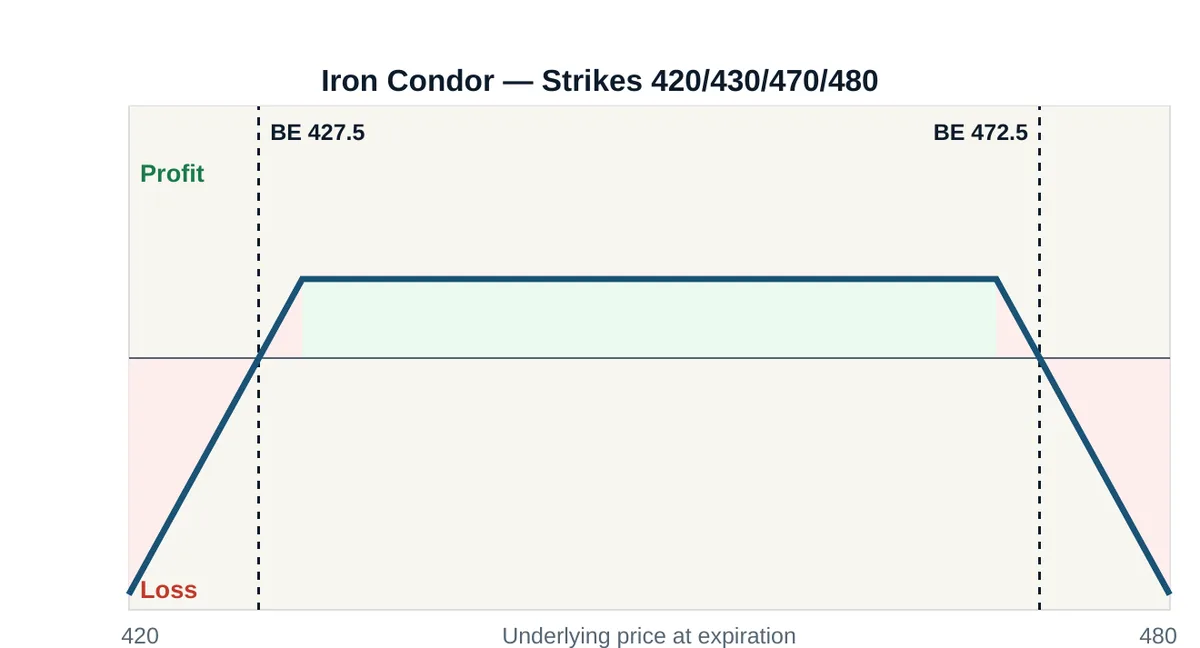
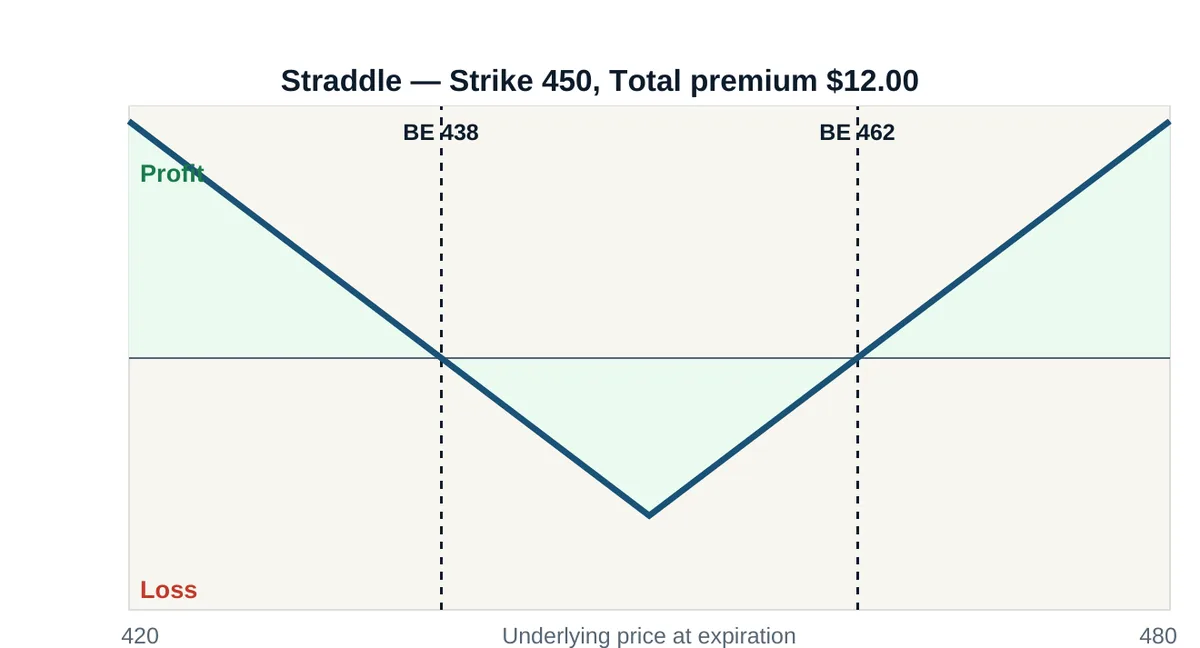
This is the complete list from Module 7.12. Check it with your next trade in mind.
“If you can’t check at least 5 of these 8 boxes, the signal isn’t solid enough to trade.”
The book also links to an interactive digital version: 9 categories of analysis, red flags that override the entry, and a verdict that recalculates live.
The learning path recommended in Module 14.8.
Study the fundamentals. Paper trading only. Don’t touch real money.
Open a real account with small capital ($1,000-$2,000). Long Calls and Long Puts only.
Introduce spreads. Keep size small.
Add neutral strategies like the Iron Condor. Evaluate real results.
Increase capital and complexity based on your demonstrated track record.
“Consistency in the process is worth more than any single winning trade. One great month doesn’t make anyone an expert.”

“This book is honest because it is my own research, not a magic formula. I am still learning. And that ongoing willingness to question myself is exactly what the market demands of those who want to thrive in it.”
This book was developed using artificial intelligence tools for research, organization, and drafting. Editorial judgment, content selection, and pedagogical intent remain the author’s.
Not those looking to get rich quick.
What the $2,000 Courses Don't Teach You
Paperback · Kindle
Buy on Amazon
Lo que los cursos de $2,000 no te enseñan
Tapa blanda · Kindle
Comprar en AmazonNo. Module 1 starts with why the stock market exists and how the NYSE works. The book asks you to read each module in order, because each one builds on the last.
The book recommends practicing with paper trading first. For an individual account with spreads and option buying it suggests $2,000 to $5,000, and for the first step with real money, $1,000 to $2,000 in Long Calls and Long Puts only.
Yes. Module 14 compares brokers such as Tastytrade, thinkorswim, Interactive Brokers, Robinhood, and Webull, explains options approval levels, and shows how to build a trading plan and journal.
Module 15 has a section for non-U.S.-resident traders: the W-8BEN form and the obligation to report according to the laws of your country. Always with the recommendation to consult an accountant who specializes in international investing.
No. It is exclusively educational material. Any investment in financial options carries significant risk, including the possible total loss of invested capital.